01
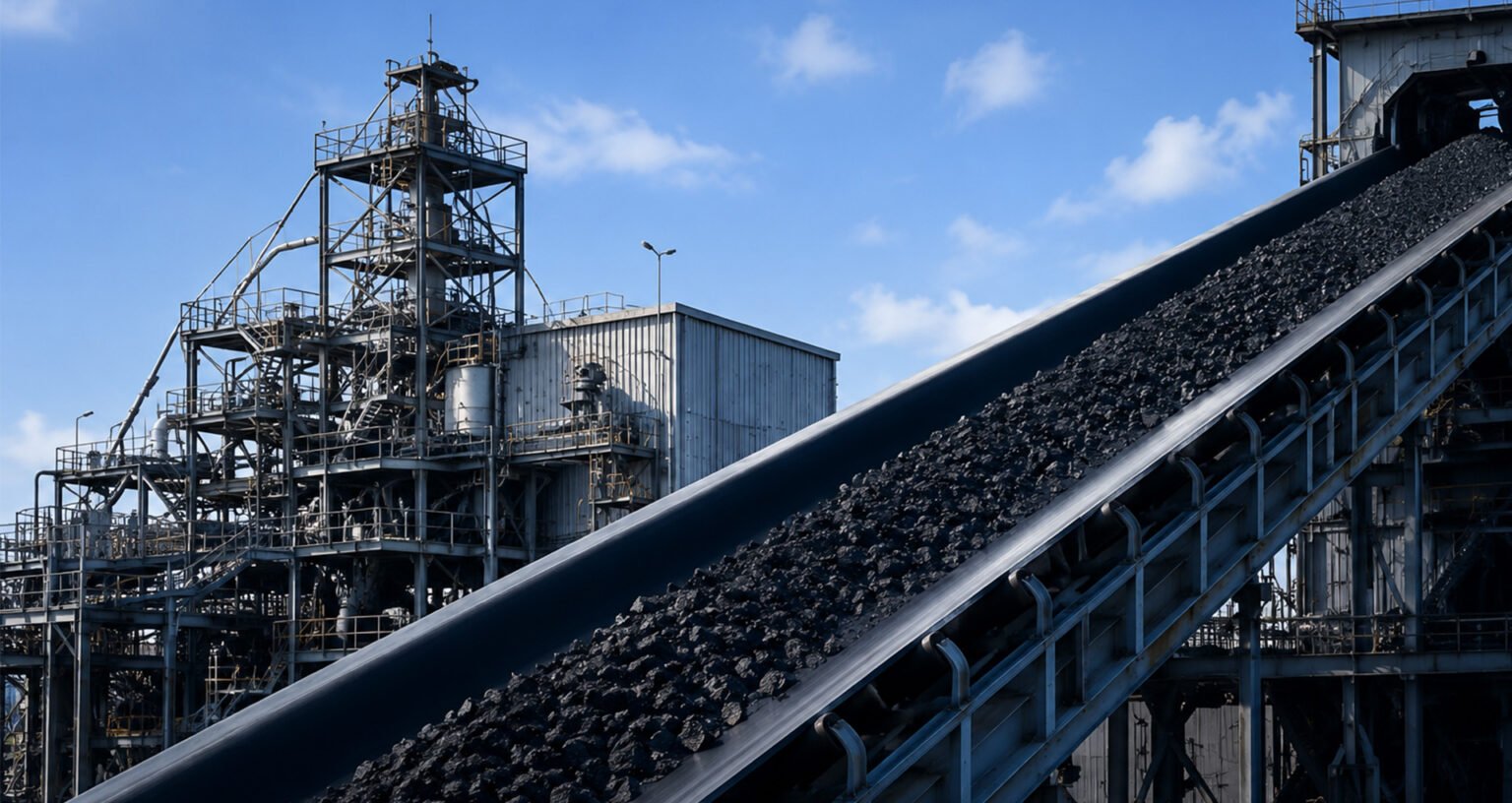
Bulk material handling
Rubber Conveyor Belt
Versatile fabric-reinforced belting for continuous conveying across mining, quarry, cement and general bulk handling.

Industrial conveying, engineered to perform
Rubber, steel cord, sidewall, chevron and PVC belt solutions selected around your
material, load, incline and operating environment.
From bulk handling to light-duty conveying.
Width, strength, cover grade and application matched.
Technical response for international projects.
A belt should be selected around the material, load, conveyor geometry and working
environment—not just a catalogue name. We turn those requirements into a clear,
practical belt specification.
Product range · 01
Compare the core product families, then send us your operating data for a more
precise recommendation.
Bulk material handling
Versatile fabric-reinforced belting for continuous conveying across mining, quarry, cement and general bulk handling.
Long-distance & heavy load
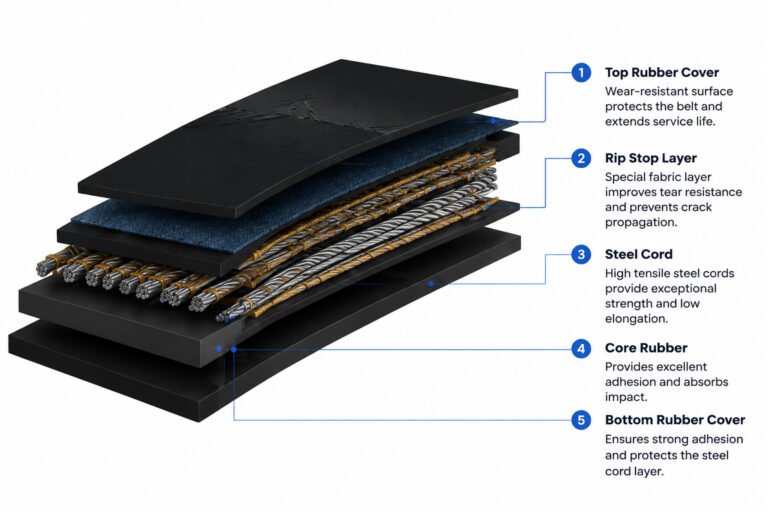
High-tensile, low-elongation construction for demanding long-distance conveying systems.
Steep-angle conveying
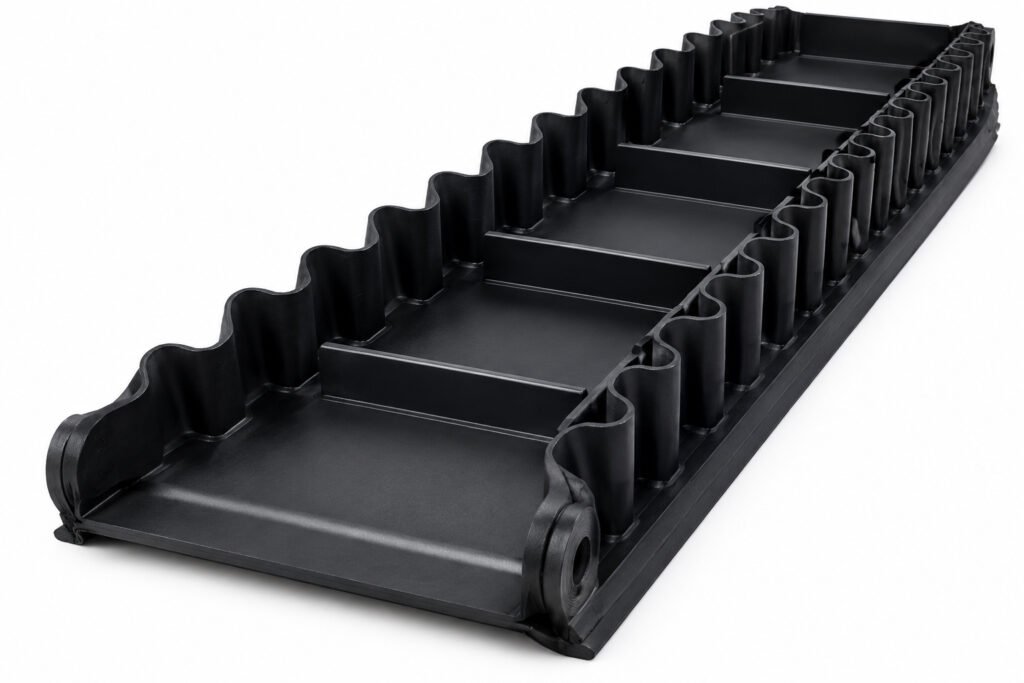
Corrugated sidewalls and cleats help move bulk materials on steep inclines while reducing transfer points.
Grip on inclines
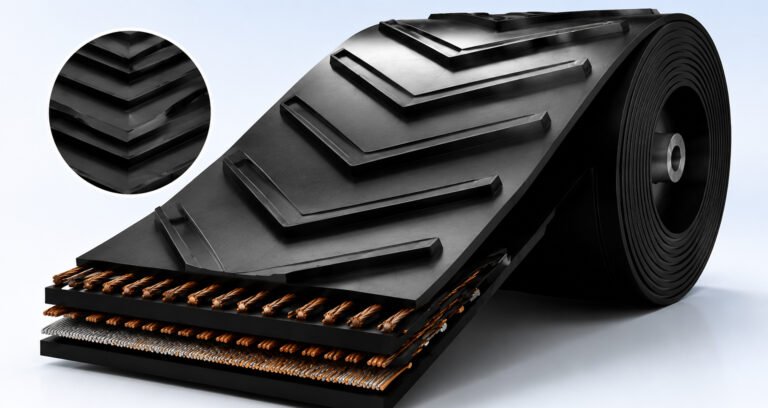
Profiled covers improve material stability and help reduce rollback on inclined conveyors.
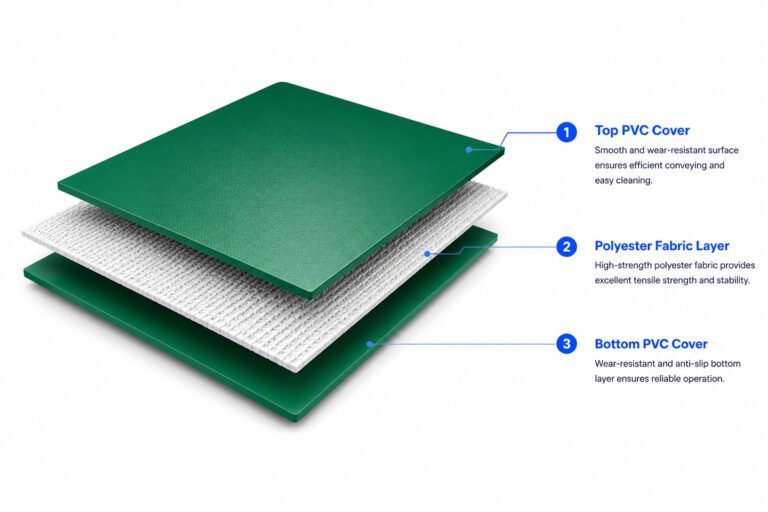
Light & clean conveying
Flexible, easy-maintenance belting for packaging, logistics, airport and selected clean conveying applications.
Application finder · 02
Choose the condition closest to your project. The recommendation is a starting point; final selection should follow the complete operating data.
For general bulk handling where abrasion resistance, stable operation and configurable cover grades are key considerations.
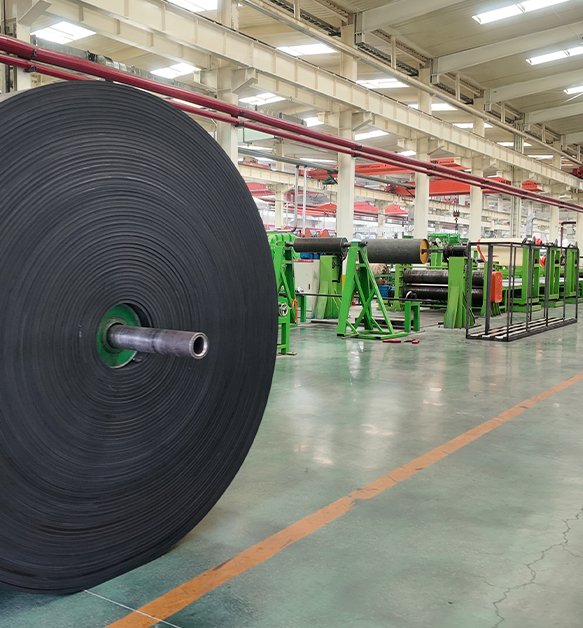
Engineering & quality · 03
Our process makes technical selection visible: what we need, what can be configured and what should be confirmed before production.
Material, capacity, conveyor length, incline, speed and working environment.
Carcass, tensile rating, cover grade, profile and dimensions matched to the duty.
Standards, splice approach, tolerances, marking, packaging and documents.
Agreed inspection points and shipment requirements documented before dispatch.
A clearer reason to choose · 04
Clear product selection, documented quality requirements and practical inquiry handling make technical evaluation easier—without invented numbers.
Product pages organized around selection criteria, specifications and suitable applications.
Quality requirements, inspection points and available documents clarified before order confirmation.
Case studies organized by region, material, operating challenge, supplied belt and result.
A concise RFQ captures the information needed for a useful technical reply.
Start a project · 05
Send the basics now. Drawings, detailed specifications and supporting documents can follow during the technical discussion.